
What Makes a Great Slot Theme? From Ancient Gods to Haunted Castles
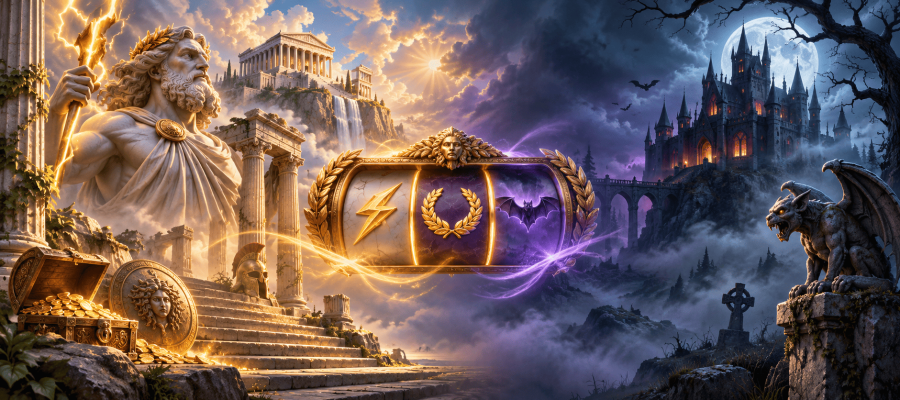
Why do ancient gods, haunted castles, and lost civilizations continue to appear in modern slot games? The answer has much to do with storytelling. A recognizable theme can turn a simple arrangement of reels and symbols into a game with its own characters, setting and visual identity. Developers have spent decades adapting familiar stories into different formats, often returning to the same subjects with new mechanics and artwork.
The growing selection of themed video slots is also visible across online gambling platforms, where casino operators increasingly feature games based on mythology, popular culture, horror and adventure. On sites such as Vlad Casino, these different categories appear within broader collections of video slots, reflecting the variety of themes used across the gambling industry.
Their continued presence raises an interesting question: what makes certain themes work so well, and why do developers keep returning to them?
Ancient Mythology: The Connection Between Gods and Great Fortunes
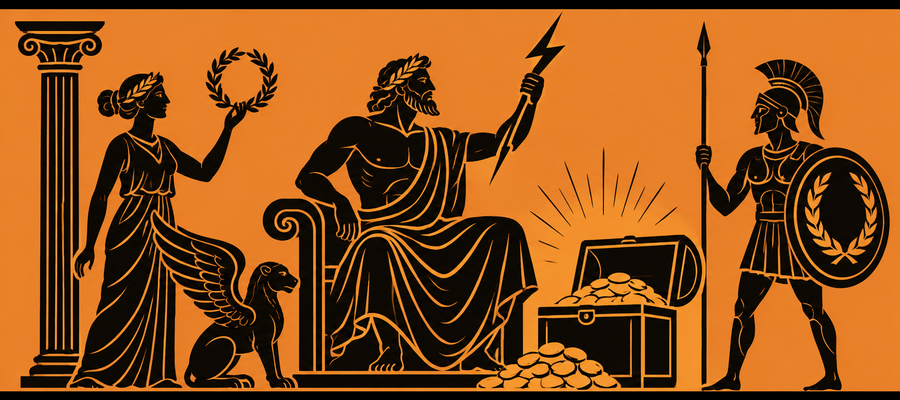
Ancient mythology has remained a prominent subject in slot development because its stories already contain many elements associated with fortune and chance. Greek, Egyptian, and Norse legends feature powerful gods, hidden treasures, extraordinary rewards, and sudden changes of fate. These narratives translate naturally into games built around unpredictable outcomes.
Zeus is particularly common, appearing alongside thunderbolts, marble temples, golden objects, and other symbols of divine power. Pragmatic Play’s Gates of Olympus uses this imagery alongside a tumble mechanic, where winning symbols disappear, and new ones fall into place.
Egyptian mythology offers another established direction. Book of Ra, developed by Novomatic, uses archaeological imagery, while other titles incorporate Anubis, pyramids, and ancient artifacts.
These historical subjects offer developers another advantage: many mythological figures belong to the public domain. Studios can reinterpret characters such as Thor, Zeus, and Anubis without obtaining licenses for the original legends. Their international recognition also makes these themes suitable for games distributed across multiple markets.
Haunted Castles: Why Horror Works So Well on the Reels
Horror themes take a different approach to creating anticipation. Instead of presenting powerful gods and golden treasures, they rely on mystery, unusual characters, and environments associated with danger. Haunted castles, abandoned buildings, vampires, and ghosts provide familiar settings that developers can adapt into different visual and mechanical formats.
The connection between horror and slot design is particularly visible in bonus features. Expanding wild symbols can represent supernatural transformations, while special rounds may introduce new characters or events associated with the game’s fictional setting.
Immortal Romance, developed by Microgaming, illustrates how gothic imagery and vampire characters can support a broader narrative. Its setting includes mysterious figures, dark architecture, and character-based features that distinguish it from conventional fruit-machine designs.
Adventure and Exploration: Turning Every Feature Into a Discovery
Adventure-themed slots are built around the idea of searching for something unknown. Lost cities, forgotten temples, treasure maps, and ancient ruins provide settings where discoveries can be represented through changing symbols, bonus features, and visual progression.
One of the best-known examples is Gonzo’s Quest, released by NetEnt in 2011. The game follows a fictional conquistador searching for El Dorado, the legendary city associated with gold. Instead of conventional spinning reels, it uses an Avalanche system in which symbols fall into place and disappear after winning combinations.
Play’n GO’s Book of Dead takes a different approach, following explorer Rich Wilde through an Egyptian setting. Its expanding-symbol feature is presented within a theme built around archaeological discoveries.
Fantasy Worlds: Why Original Characters Give Developers More Freedom
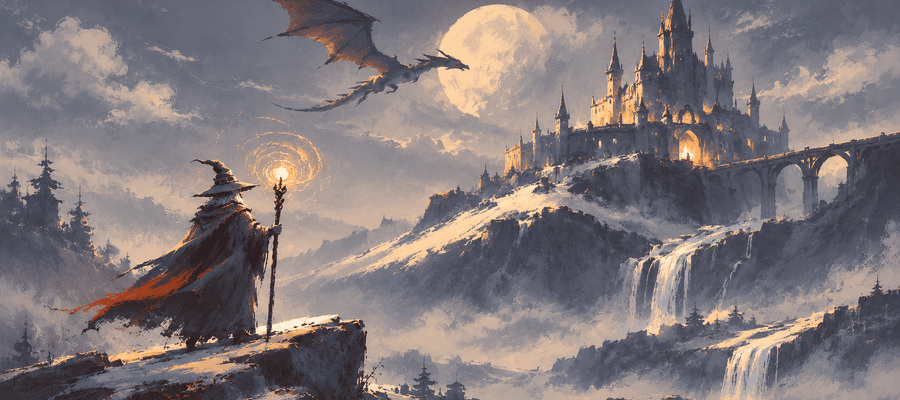
Fantasy provides slot developers with opportunities that historical and mythological subjects cannot always offer. Rather than working with established legends, studios can invent fictional creatures, magical objects, kingdoms, and environments specifically designed around a game’s mechanics.
Dragons, wizards, enchanted forests, and supernatural powers are common because they allow unusual events to appear consistent with the setting. A symbol transformation, for instance, can be presented as a magical effect rather than an unexplained change on the reels.
Play’n GO’s Reactoonz demonstrates how fictional characters can form the basis of an entire game identity. Its colorful creatures, unusual grid, and cascading mechanics differ considerably from traditional historical themes.
Other fantasy titles use medieval castles, magical books and fictional kingdoms to create more conventional settings. The challenge is maintaining consistency. Character designs, background artwork, and special features need to belong to the same fictional world for the theme to remain understandable.
Popular Culture: How Familiar Characters Shape Modern Slot Games
Popular culture has become another source of material for slot developers, particularly through film, television and music. Recognizable characters and fictional settings provide an established identity before the first reel begins spinning.
Unlike ancient mythology, however, modern cultural properties frequently involve copyright and trademark restrictions. Developers seeking to reproduce particular characters, logos or soundtracks generally need agreements with the relevant rights holders.
This has resulted in licensed slot titles based on properties such as Game of Thrones and Jurassic Park. Their designs incorporate recognizable visual elements from the original productions while adapting them to conventional slot mechanics. These licensed properties offer established recognition but introduce additional costs and approval requirements.
Visual Design and Sound: What Makes a Theme Recognizable?
A slot’s theme is communicated through more than its title. Symbols, colors, backgrounds, character animations, and sound effects work together to establish the setting and distinguish one game from another.
Ancient mythology titles frequently feature gold, stone temples, thunderbolts and ceremonial objects. Horror games favor gothic architecture, moonlit environments and supernatural figures. Adventure slots commonly use maps, compasses and archaeological discoveries.
These differences are not simply decorative. They help players recognize the type of game before examining its individual features. Sound design reinforces these visual signals.
Thunder can accompany the appearance of a mythological character, while changes in background music may indicate the beginning of a special round. Developers must also consider readability. Elaborate animations and detailed backgrounds can interfere with the visibility of symbols if too many elements compete for attention.
Why Developers Keep Returning to the Same Themes
The repeated use of mythology, horror and adventure is not simply a shortage of original ideas. These subjects provide established storytelling structures that can accommodate different mathematical models, reel formats and bonus systems.
Greek mythology offers a clear example. Zeus can appear in a conventional five-reel game, a cascading-symbol format, or a title built around multipliers without losing his recognizable identity. Similar flexibility applies to Egyptian exploration stories and gothic horror settings.
Public recognition also matters. A player encountering a thunderbolt beside Zeus or a vampire inside a dark castle can immediately identify the intended setting. Developers do not need extensive introductory sequences to establish these associations.
There are commercial considerations as well. Familiar themes can be adapted for international releases, while original artwork and new mechanics help distinguish individual products within crowded catalogs.
Technology has expanded the available design options, particularly through detailed animation and more elaborate feature sequences. Nevertheless, the underlying principle has changed relatively little: a successful slot theme connects recognizable storytelling elements with mechanics that make sense within its fictional setting.